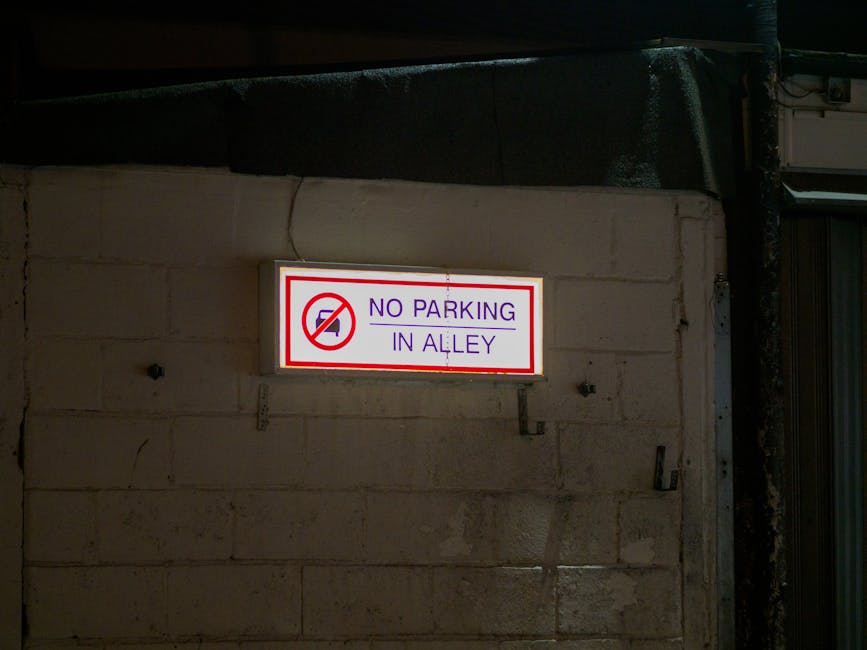
Hackney Council parking rules for house removals: a practical guide for a smoother moving day
If you are moving home in Hackney, parking can become the one small thing that causes the biggest headache. Streets are tight, bays fill quickly, and a removal van can be in the wrong place for just long enough to trigger a fine or delay the whole job. That is why understanding Hackney Council parking rules for house removals matters before the first box is lifted. This guide breaks down the practical side of parking, loading, permits, bay suspensions, timing, and the little details that often get missed until moving day is already underway.
To be fair, nobody wakes up excited to read council parking guidance. But if you want fewer surprises, less stress, and a cleaner handover at both properties, a bit of planning goes a long way. Below you will find a clear walkthrough, a comparison of common options, a real-world style example, and a checklist you can use the day before your move.
Why Hackney Council parking rules for house removals matters
Parking rules affect more than convenience. On a moving day, they decide whether your van can stop legally close to the property, how long loading takes, and whether your movers can work without constantly shuffling vehicle positions. In Hackney, where streets can be narrow and demand for kerb space is high, a poorly planned stop can turn into circling, carrying boxes further than expected, or even stopping altogether while everyone stands around looking at the van. Not ideal.
The main reason this matters is simple: a house move is usually time-sensitive. Lift access may be booked, neighbours may be trying to leave, and your completion time might already be tight. If the vehicle cannot park where you thought it could, the whole chain gets slower. That can mean extra labour time, more risk to furniture, and more stress for everyone involved.
There is also the enforcement side. Councils in London generally take parking controls seriously, especially on yellow lines, suspended bays, resident-only spaces, and other restricted areas. A removal job does not automatically give you free rein to stop anywhere. If you assume it does, you may end up paying for that assumption later. Nobody wants a parking ticket on top of moving costs.
For a lot of people, the parking question comes up too late. They focus on boxes, labels, and whether the kettle is packed, then realise the van has nowhere legal to wait. The smarter approach is to think about parking at the same time as access, packing, and van size. If you are planning a full house move, it is worth looking at broader house removals support as part of the same plan, because parking and moving logistics are tightly connected.
How Hackney Council parking rules for house removals works
In plain English, the rules are about where a vehicle can stop, for how long, and under what conditions. House removals usually involve one of three situations: parking in a bay, stopping for loading/unloading, or arranging special access in advance because the street is too busy or restricted for a normal stop.
Here is the practical way to think about it. First, identify the road layout outside both the old and new property. Then check whether there are resident bays, pay-and-display bays, loading restrictions, yellow lines, suspended bays, or red route style controls nearby. After that, decide whether your move can work within the normal rules or whether you need to plan for a permit, a suspension, or a more flexible vehicle position.
Many house removals in Hackney use a van that stops briefly, loads efficiently, then leaves. That sounds straightforward, but the difference between "briefly" and "too long" can matter. If the load is large, or if the property has no direct road access, the stop can become longer than expected. In a busy street, that is where problems start.
You may also need to think about the size of the vehicle. A compact van is easier to place on a cramped street, while a larger removal truck may be more efficient for a big move but harder to position safely. If your move involves heavier items or a larger property, options like a removal van, man with van, or even a moving truck can change how parking needs to be handled.
Practical summary: the parking rules are not really about paperwork for its own sake. They are about making sure the vehicle can stop legally, load efficiently, and avoid avoidable delays. If you plan that properly, the rest of the day usually feels much calmer.
One small but important point: access and parking are not the same thing. You may be able to reach the building easily on foot, but still have nowhere legal to leave a van. That distinction catches people out more often than you might think.
Key benefits and practical advantages
Getting the parking side right brings a few clear advantages. Some are obvious, some are a bit less visible until things start going wrong.
- Faster loading and unloading. The closer the van is to the door, the less time you spend carrying furniture and boxes.
- Lower risk of penalties. Careful planning helps you avoid fines, complaints, or awkward interruptions mid-move.
- Less physical strain. Shorter walking distance means less lifting over awkward distances, which can matter a lot with heavy items.
- Better time control. A smooth parking setup helps keep the move on schedule, especially when completion windows are tight.
- Reduced damage risk. Repeated long carries up steps, through narrow gates, or around parked cars increase the chance of knocks and scrapes.
- Smoother neighbour relations. A tidy, brief, well-managed stop is usually far less irritating than a van blocking someone's driveway for half the morning.
There is a more subtle benefit too: confidence. When the parking plan is sorted, everyone tends to work better. The crew knows where to bring items. The customer knows what is happening. The whole day feels less like improvisation and more like a controlled process. And let's face it, moving day already has enough improvisation.
If your move is part of a wider relocation with packing, storage, or disposal tasks, it can help to see the job as one joined-up process rather than separate tasks. For example, if you need packing and boxes before moving day, or if some items need short-term holding, it is worth planning parking alongside the rest of the logistics.
Who this is for and when it makes sense
This topic matters to almost anyone moving house in Hackney, but it is especially useful if any of the following apply to you:
- You live on a narrow residential street with limited kerb space.
- Your property is in a controlled parking zone, or near bays that fill quickly.
- You are moving from a flat with limited lift access or awkward stairwells.
- You are using a larger van or truck and need more stopping room.
- You are moving on a busy weekday when parking pressure is higher.
- You need the move done quickly because of access windows, handover times, or neighbours.
- You are arranging a same-day move and cannot afford delays.
It also makes sense for renters who are trying to keep the move tidy and on time, families with a lot of furniture, and anyone coordinating cleaners, landlords, or new tenants on the same day. If you are in a smaller property, such as a studio or one-bed flat, the issue may still arise because the street is just not built for easy stopping. In those situations, a flat removals service can be a sensible fit.
Truth be told, even a "small" move can become a parking issue if the road is busy enough. A couple of sofas, a bed frame, and boxes of kitchen gear can still need proper vehicle positioning. It is not just about how much you own; it is also about where the van can physically sit.
Step-by-step guidance
If you want a clean, practical approach, follow these steps in order. They are simple, but they prevent most of the avoidable pain.
- Check the street outside both addresses. Look for bays, double yellow lines, loading restrictions, and any obvious barriers to stopping.
- Estimate the vehicle size you need. A small van, medium removal van, or larger truck each changes the parking challenge.
- Work out whether the move needs a bay or just a short loading stop. Heavy furniture and multiple trips usually need more space than you first expect.
- Decide whether access timing matters. Early mornings can be quieter, but not always. School runs, refuse collection, and commuter traffic can still affect the road.
- Plan for both addresses, not just one. It is common to sort the old property and then discover the new street is the difficult one.
- Speak to the council or property manager if needed. If there is a temporary restriction, building work, or a complicated bay situation, ask what is allowed rather than guessing.
- Tell your removals team what the street looks like. A good mover can often suggest whether a van, truck, or different loading strategy is best.
- Prepare the move so loading is quick. Keep essentials separate, label boxes clearly, and make sure bulky items are ready to go first.
- Have a backup plan. Sometimes the first parking idea does not work on the day. Know where the vehicle can legally stop if the preferred space is occupied.
If you are using a professional moving team, it helps to be very direct: "There is limited space outside, and the bay might be busy." That one sentence can save a lot of guessing. Experienced crews usually know how to adapt quickly, but they need the right information before they arrive.
For bigger or more complicated jobs, it may be worth comparing your move against broader service options such as removals, removal services, or even man and van support, depending on how much you are moving and how tight the parking is.
Expert tips for better results
A few field-tested habits make a surprisingly big difference.
Measure the real walking route. Not the map route. The route from the van to the front door, around bins, steps, gates, and parked cars. That is the distance your back will notice.
Assume loading takes longer than you think. That is not pessimism; it is experience. The first items out are usually easy. The last ones involve awkward angles, missing cushions, or a box someone labelled "misc." which, frankly, is never a good sign.
Choose the right size vehicle for the street, not just the volume. A slightly smaller van can be the smarter choice if parking is constrained. Sometimes efficiency is about access, not capacity.
Keep the loading area clear before the van arrives. Hallways, porches, and front steps should be free of clutter. Otherwise you lose the gain you made by parking close.
Use parking as part of your move timeline. If you know the van can only stay in one spot for a limited time, organise the heaviest items first. That reduces pressure later.
Be calm but flexible. Streets in London can change from one hour to the next. A bay that looked empty yesterday may be fully occupied this morning. Annoying, yes. But normal.
If your move includes items that need careful handling, such as fragile furniture or a heavy instrument, the parking setup matters even more. The fewer times you need to carry something awkward across a long distance, the safer the move usually is. For specialist items, you may want to look at furniture removals or even piano removals where appropriate.
Common mistakes to avoid
A lot of parking problems come down to a few repeat mistakes. Easy to make, easy to avoid once you know them.
- Assuming loading is always allowed. It is not always that simple. Restrictions still matter.
- Not checking both ends of the move. The new property can be the bigger headache.
- Booking the wrong size vehicle. Too large and you cannot park. Too small and you need extra trips.
- Leaving parking planning until the morning of the move. That is when stress spikes and options shrink.
- Forgetting about time-of-day pressure. School traffic, bin lorries, and commuter flow can all affect access.
- Not telling the removals team about narrow roads. They can only plan around a problem if they know it exists.
- Assuming a resident bay is fair game. Sometimes it is, sometimes it is not. Better to check than to hope.
- Blocking neighbours without warning. A little courtesy goes a long way in close-knit streets.
There is a classic moving-day error: the boxes are ready, the kettle has vanished into a sealed carton, and then everyone realises the van is parked two streets away. It sounds minor on paper. In real life, it can add half an hour and a fair bit of grumbling.
If you are planning a same-day move, those mistakes become more costly because there is less margin for error. In that case, services such as same day removals can be worth considering, especially where parking windows are tight and timing matters.
Tools, resources and recommendations
You do not need fancy software to plan this properly, but a few simple tools help.
- A notebook or phone notes app for recording street features, bay signs, and loading observations.
- Photos of both streets so you can show the moving team exactly what they are dealing with.
- A rough inventory list to help estimate whether a van or larger vehicle makes more sense.
- Box labels and room labels so unloading can be fast and organised.
- Measuring tape for bulky items, doorways, and especially awkward furniture.
It also helps to use a provider that is comfortable with logistics, not just lifting and driving. If you are comparing options, look at pages like removal van, removal truck hire, and house removalists to understand what level of support fits the size and complexity of your move.
For trust and planning, the surrounding policy pages can also be useful. The company's insurance and safety information, health and safety policy, and terms and conditions help set expectations before any work begins. That sort of transparency matters when you are trusting someone with your furniture and your schedule.
Law, compliance, standards, or best practice
Parking rules sit inside a wider framework of local traffic management and road safety. The exact restrictions can vary by street, bay type, and time of day, so you should not rely on assumptions or past experience from another part of London. Best practice is to check the signage on the day, understand the access rules for each location, and make sure the stop you use is lawful for the vehicle and the purpose.
From a practical standpoint, the safest approach is to treat loading and unloading as activities that still need proper parking judgment. A moving van is not exempt from common sense. If a bay is suspended, a yellow line has a restriction, or a space is marked for a specific use, the move needs to work around that rather than through it.
For businesses and landlords involved in a property handover, that is especially important. If the move is part of a commercial relocation or property changeover, parking mistakes can affect neighbours, customers, or building access. In those cases, more structured planning similar to commercial moves is often the right mindset, even if the job itself is residential.
Best practice also means keeping things proportionate. You do not need a complicated solution for every move, but you do need a realistic one. If a smaller van, earlier start, or clearer loading sequence prevents disruption, that is usually the smarter choice. Simple, really.
Options, methods, or comparison table
Here is a straightforward comparison of the main ways people handle house-removal parking in Hackney.
| Method | Best for | Pros | Trade-offs |
|---|---|---|---|
| Short kerbside loading stop | Smaller moves and quick access | Fast, simple, minimal planning | Can be tight on busy streets |
| Parking in a nearby legal bay | Medium moves where some walking distance is acceptable | Usually easier to find than direct door parking | Longer carrying distance, slower loading |
| Using a smaller removal van | Narrow roads or heavy parking pressure | Easier to position, often more flexible | May require more than one trip |
| Larger moving truck | Big family homes or full-load removals | Fewer trips, better for large volumes | Harder to park, more planning needed |
| Planned parking support with a professional mover | Complex streets, busy periods, or limited access | Less stress, better coordination | Usually needs more lead time |
There is no single right answer. The best method depends on road width, the amount you are moving, and how much time you have. For a one-bedroom flat on a narrow road, a compact van may be perfect. For a bigger family house, a larger vehicle might still be the better option if the parking can be made to work. It is a balancing act, and sometimes a slightly less obvious choice is the better one.
Case study or real-world example
Imagine a couple moving from a top-floor flat in Hackney into a terraced house a few streets away. The old street has limited parking and the new one is shared with residents from several buildings. On paper, the move looks easy because the addresses are close. In reality, the parking is the whole challenge.
They start by checking both streets the day before. The old address has a narrow bay that is usually busy by mid-morning. The new address has a legal stopping area, but it is often occupied. Rather than guessing, they arrange the move for earlier in the morning and use a medium-sized van that can fit into tighter spaces more easily.
On the day, the van stops close enough to the entrance that the crew can move the big items first: mattress, chest of drawers, sofa, then boxes. Because the couple packed efficiently and kept the hallway clear, loading takes less time than expected. No one is sprinting. No one is improvising. There is a bit of normal moving-day chaos, of course, but not the bad kind.
The result is not glamorous, but it is what people actually want: the move finishes on time, there is less carrying distance, and nobody spends the afternoon worrying about whether a ticket is waiting under the wiper. That is the payoff. Not flashy, just quietly useful.
Practical checklist
Use this checklist the day before your move.
- Check parking signs outside both properties.
- Confirm whether your vehicle can stop legally for loading.
- Decide if a smaller van would be easier than a larger truck.
- Share access details with the removals team.
- Keep hallways and entrances clear.
- Pack essential items separately.
- Label heavy and fragile boxes clearly.
- Take photos of the street and kerbside layout.
- Prepare a backup parking spot if the first choice is occupied.
- Allow a little extra time. Just a little. It helps.
If you are also storing items or splitting the move over more than one day, add that into the plan early. A flexible setup, including storage, can remove pressure when parking is limited or access times are awkward.
Conclusion
Hackney Council parking rules for house removals are not just a technical detail. They shape the pace, cost, and calmness of the whole move. When you understand where the van can stop, how long it can stay, and what the street actually allows, you give yourself a much better chance of a smooth day.
The main thing is not to overcomplicate it. Check the street, think about the vehicle, plan the loading order, and keep a backup in mind. That simple framework solves most problems before they begin. And if the move feels bigger than you first thought, that is normal too. Moving home has a way of revealing the hidden stuff.
For a well-organised move that accounts for access, parking, and the realities of Hackney streets, it helps to work with a team that treats logistics seriously from the start. A little planning here can save a lot of lifting later.
Get a free quote today and see how much you can save.
Frequently Asked Questions
Do I need special permission for house removals parking in Hackney?
Not always. Smaller moves may work with normal legal loading and unloading rules, but some streets, bays, or restricted areas may need extra planning. If the location is tight or heavily controlled, check the signage and arrange the move accordingly.
Can a removal van stop on double yellow lines for loading?
Sometimes loading may be permitted under specific conditions, but it is not something to assume. The exact position, timing, and local restrictions matter. It is safer to plan a lawful stop rather than rely on an exception.
What is the best time of day for a removals parking space in Hackney?
Earlier in the day is often easier because streets tend to get busier as the day goes on. That said, every road is different. School times, commuter traffic, and nearby businesses can all change the picture, so check your exact street rather than relying on a general rule.
Should I book a smaller van if parking is limited?
Very often, yes. A smaller vehicle can be much easier to position on narrow streets, even if it means more trips. The best choice depends on the balance between parking access and the amount you need to move.
What happens if the parking space is taken when the van arrives?
That is one of the most common moving-day problems. A good plan should include a backup legal stopping point nearby. If possible, tell the removals team in advance so they can adapt quickly rather than wasting time driving in circles.
Are there fines if I get the parking wrong during a house move?
Yes, there can be. Parking enforcement applies regardless of whether you are moving home. That is why it is worth checking signs and restrictions carefully before the van arrives.
How far in advance should I plan parking for a house removal?
As early as you can, ideally when you confirm the move date. Parking is one of those things that feels easy until the street fills up. Leaving it too late narrows your options fast.
Can movers help with parking and access planning?
Yes, experienced movers often can. If you explain the street layout, loading restrictions, and any access issues, they can usually suggest a practical vehicle setup and loading sequence. That kind of local knowledge is often more useful than people realise.
What if I am moving from a flat with difficult access?
Then parking and access become even more important. Narrow stairs, lift limits, and long carrying distances all affect the schedule. In those cases, flat-specific support such as flat removals can make the process more manageable.
Do I need to think about parking for the delivery address too?
Absolutely. It is a common mistake to focus only on the old property. If the new place has tighter parking or more restrictions, that can be the real bottleneck on the day.
How do I know whether I need removal services or just a man and van?
It usually comes down to volume, distance, access, and how much help you want. A smaller job with tricky parking may suit a more flexible setup, while a larger household move may need fuller support. If you are unsure, compare options like man with a van and broader removal companies style support.
Is there a difference between parking rules for house moves and office moves?
Yes, in practice there often is. Office moves may involve loading docks, time windows, or building management rules on top of public parking controls. Residential moves are usually simpler, but still need careful planning. If your move is mixed or business-related, it can help to review office removals guidance too.